
Property Management in Los Angeles: What Owners Need to Know

Los Angeles is one of the largest and most diverse rental markets in the country spanning everything from beachside Malibu estates to compact Koreatown condos to sprawling San Fernando Valley homes. That diversity makes property management in LA uniquely complex, with different neighborhoods, price points, and regulations all requiring different strategies.
If you own rental property anywhere in the greater Los Angeles area, here’s what you need to know about property management — what it involves, what it costs, and how to choose the right partner.
Why Property Management Looks Different in Los Angeles
A few factors make LA property management more demanding than many other markets:
Regulatory patchwork. Los Angeles has specific rent stabilization ordinances (the Los Angeles Rent Stabilization Ordinance, or RSO) that apply to many older buildings, along with a separate Home-Sharing Ordinance governing short-term rentals. Rules can also vary between the City of Los Angeles and surrounding cities like Burbank, Santa Monica, or unincorporated LA County areas so a property manager needs to know exactly which rules apply to your specific address.
Market diversity. Rental strategy that works in Malibu (luxury short-term rentals catering to high-end travelers) looks nothing like what works in Inglewood (often long-term or mid-term rentals near LAX and SoFi Stadium). A one-size-fits-all approach rarely performs well across LA’s varied submarkets.
High competition. Whether you’re renting long-term or operating a short-term listing, LA has no shortage of comparable inventory. Standing out requires strong pricing strategy, professional presentation, and fast responsiveness — for both landlords managing applications and hosts managing bookings.
What Property Management Includes in Los Angeles
Depending on whether your property is a long-term rental or a short-term/mid-term vacation rental, property management services typically include:
For long-term rentals: - Tenant marketing and screening - Lease drafting and rent collection - Maintenance coordination - Compliance with LA’s Rent Stabilization Ordinance where applicable - Eviction process management, if needed
Insurance and Liability Considerations
Los Angeles property owners should also confirm how their property management company handles insurance and liability matters. Ask whether the company carries its own general liability coverage, how guest- or tenant-caused damage claims are typically handled, and whether they require guests to carry any form of damage protection or security deposit.
For short-term rentals specifically, confirm whether your existing homeowner’s insurance policy covers short-term rental activity — many standard policies exclude it, requiring a separate short-term rental endorsement or specialized policy.
A knowledgeable property manager should be able to point you toward appropriate coverage options rather than leaving this entirely to you to figure out.
Choosing the Right Property Management Company in LA
Because Los Angeles is so geographically and regulatorily varied, here’s what matters most when selecting a management partner:
Neighborhood-specific experience. Ask whether the company has an established track record in your specific submarket — Malibu, Burbank, Downtown, the Valley, etc. — rather than a generic citywide claim.
Regulatory fluency. Confirm the company understands and actively manages compliance with whichever ordinance applies to your property (RSO for long-term, Home-Sharing Ordinance for short-term).
Responsiveness. LA guests and tenants alike expect fast communication. Ask about average response times for maintenance requests or guest messages.
Multi-platform reach (for short-term rentals). Your listing should be marketed across multiple booking platforms, not just one, to maximize visibility and bookings.
Transparent reporting. You should receive clear, regular statements showing occupancy, revenue, and any deductions — not vague monthly deposits.
The Financial Upside of Professional Management in LA
Los Angeles nightly rates and long-term rents are both high relative to national averages, which means the dollar impact of good (or bad) management is amplified. A well-managed short-term rental in a strong LA submarket can often out-earn a long-term lease on the same property by a significant margin — assuming compliance requirements are met and the property is professionally marketed and priced.
For long-term rentals, professional management reduces costly vacancy periods and tenant turnover, both of which erode returns faster in a high-rent market like LA than in lower-cost areas.
A Closer Look at Key LA Submarkets
Malibu. Predominantly high-end short-term rentals with strong seasonal demand tied to summer months and major events. Guests here expect premium finishes, privacy, and concierge-level service.
Burbank. A mix of mid-term rentals (often tied to studio productions and relocating entertainment industry professionals) and short-term stays. Proximity to major studios drives consistent demand outside of peak tourist season.
Inglewood. Rapidly growing demand tied to SoFi Stadium, the Kia Forum, and LAX proximity — increasingly attractive for both short-term event-driven stays and mid-term corporate housing.
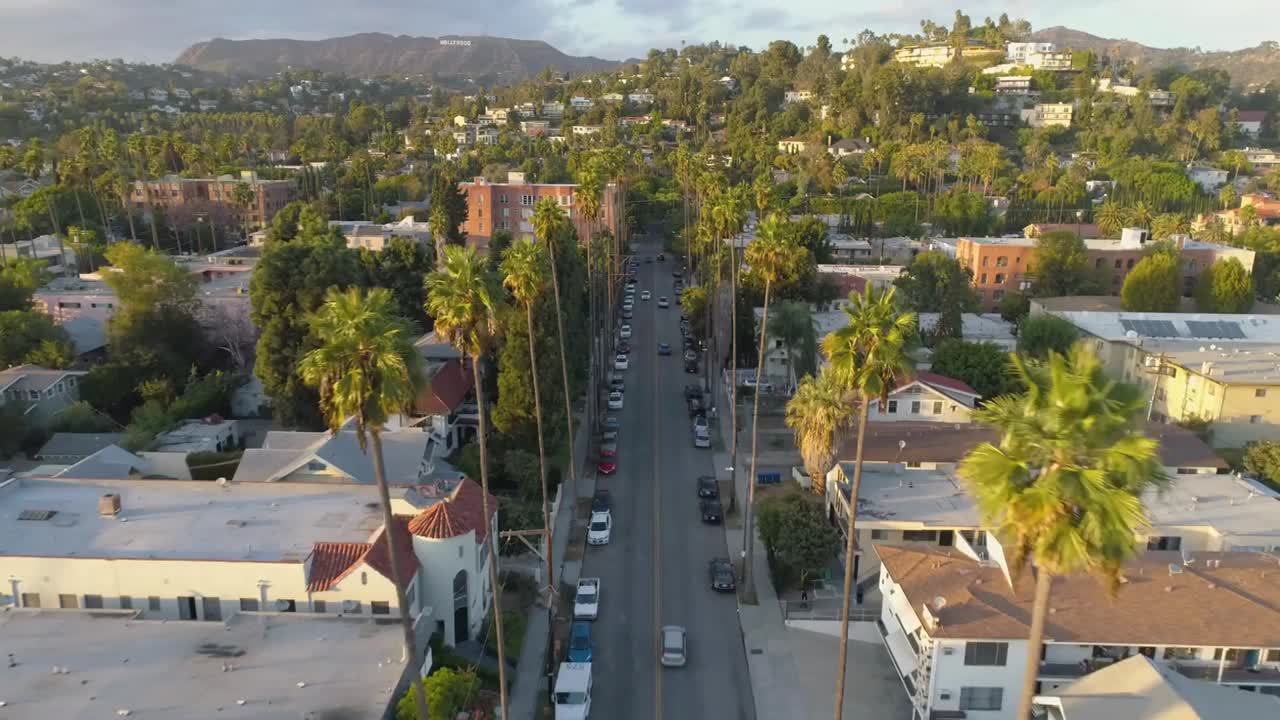
Downtown LA and Hollywood. Dense competition among short-term listings, with demand driven by tourism, business travel, and entertainment industry visitors. Standing out here typically requires strong photography, competitive pricing, and fast guest response times.
San Fernando Valley. Often a blend of long-term family rentals and mid-term stays, with generally more moderate price points than coastal or central LA neighborhoods.
Understanding which submarket your property falls into — and adjusting strategy accordingly — is one of the clearest ways to improve performance beyond a generic, citywide approach.
Seasonal Demand Patterns in Los Angeles
Unlike markets with a single obvious peak season, Los Angeles has multiple demand drivers throughout the year:
Awards season (January–March) drives strong demand in Hollywood, Beverly Hills-adjacent areas, and Downtown
Summer months (June–August) bring peak tourism and beach-adjacent demand, particularly in Malibu and coastal neighborhoods
Major sporting and entertainment events throughout the year create localized demand spikes near relevant venues
Fall and holiday season tends to see steadier, business-travel-driven demand rather than dramatic tourism peaks
A property manager who actively tracks these patterns and adjusts pricing accordingly typically captures meaningfully more revenue than one relying on flat, unchanging rates.
How Shortmidstay Manages Property Across Los Angeles
Shortmidstay specializes in short-term and mid-term rental management throughout the greater Los Angeles area, including Los Angeles proper, Malibu, Burbank, Inglewood, and beyond. We handle every operational detail — from listing optimization and dynamic pricing to 24/7 guest communication, cleaning coordination, and full compliance with local short-term rental regulations.
We also offer concierge-level services — private chef bookings, car rental coordination, in-house massage — that help our LA listings stand out to guests seeking a more elevated experience than a standard rental.
Want to know what your LA property could earn under professional management? Request a free rental income estimate →
Key Takeaways
Los Angeles property management varies significantly by submarket — Malibu, Burbank, Inglewood, and Downtown each have distinct demand patterns and price points.
Long-term rentals may fall under the Rent Stabilization Ordinance, while short-term rentals fall under the separate Home-Sharing Ordinance.
LA’s high property values amplify both the upside of good management and the cost of vacancy or mispricing.
Choose a management partner with neighborhood-specific experience and clear regulatory knowledge for your exact property location.
Ready to put your Los Angeles property in expert hands? Talk to our team today →


